
Critical Point
ProductA product discussed on Latent Space.
2 episodes

Artificial Analysis: The Independent LLM Analysis House — with George Cameron and Micah Hill-Smith
Jan 9, 2026 · 1:18:15
Artificial Analysis founders George Cameron and Micah Hill-Smith explain how their independent benchmarking platform became the gold standard by running their own evals with a mystery shopper policy to prevent labs from manipulating results. They launched in January 2024 after building it as a side project in Sydney, going viral after Swyx's retweet. The Intelligence Index V3 synthesizes 10 datasets with 95% confidence intervals, while the Omniscience Index measures hallucination rates from -100 to +100 (Claude models lead). Their GDP Val AA benchmark tests 44 white-collar tasks, and they open-sourced their agentic harness Stirrup. They also introduced an Openness Index scoring models out of 18 points. The episode covers how they make money through enterprise benchmarking subscriptions and custom work, and why the cost of GPT-4-level intelligence has dropped over 100× while total inference spend rises due to reasoning and agentic workflows.
[State of Code Evals] After SWE-bench, Code Clash & SOTA Coding Benchmarks recap — John Yang
Dec 31, 2025 · 17:45
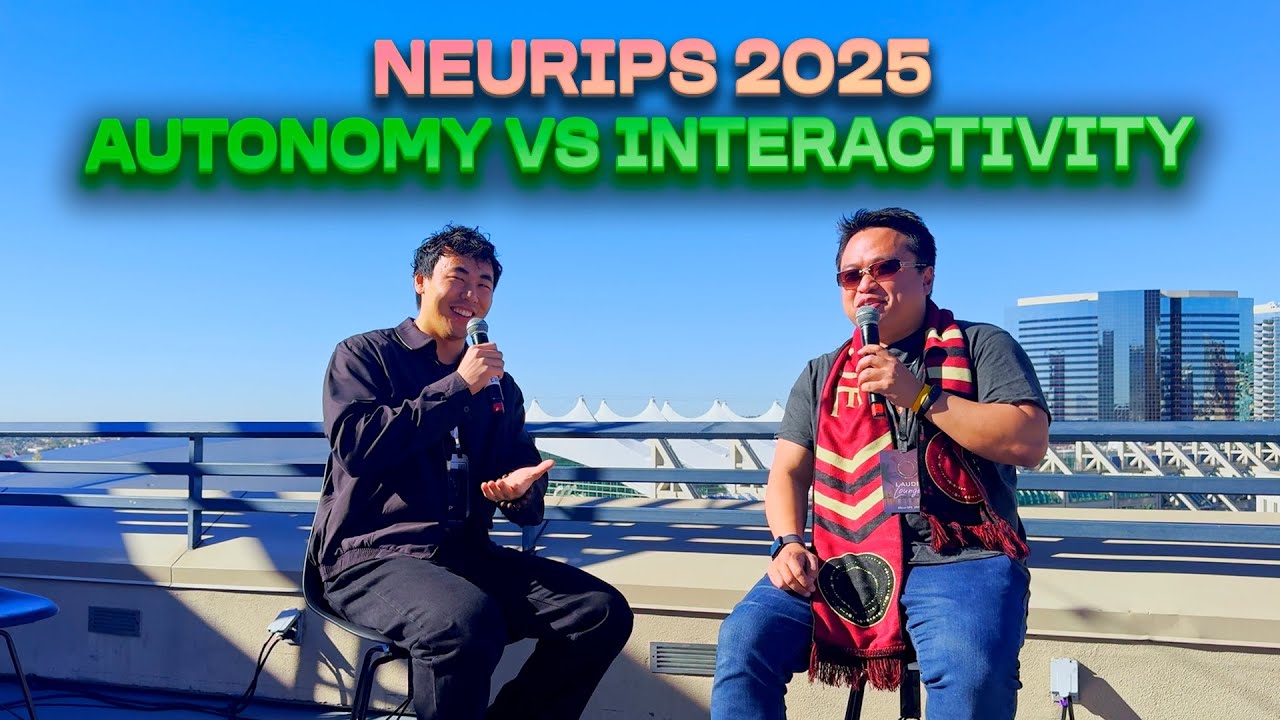
John Yang, creator of SWE-bench, explains the benchmark's evolution from an ignored project to the industry standard after Cognition's Devin launch, and introduces CodeClash as a new paradigm for evaluating long-horizon coding agents via programming tournaments. Yang covers SWE-bench's expansion into nine languages (JavaScript, Rust, Java, C, Ruby) and multimodal tasks, the proliferation of independent variants like SWE-bench Pro and SWE-bench Live, and the shift from unit tests to iterative agent competitions. He addresses the Tau-bench controversy over impossible tasks, arguing they serve as cheat detection, and weighs the tension between long autonomy (5-hour runs) and interactivity (Cognition's fast back-and-forth). Yang highlights the academic data problem—companies like Cognition have rich user interaction data, while academics need user simulators or compelling products like LMArena—and positions CodeClash as a testbed for studying human-AI collaboration by freezing model capability and varying interaction setups.
Powered by PodHood